
All News & Insights
Browse the full archive of FNA’s news and commentary
Explore by Category: Fraud Portals. | . Liquidity Optimization ..| . Supervisory Intelligence. |. Counter Threat Finance
Explore by Type: News . | . Commentary . | . Awards . | . Broadcast Summary . | . Case Study
EU payment autonomy for agentic payments: FNA’s response to the MiCA review
Our MiCA review response in brief: common rules to make euro e-money tokens usable across providers, cross-provider fraud controls, and software mandates.
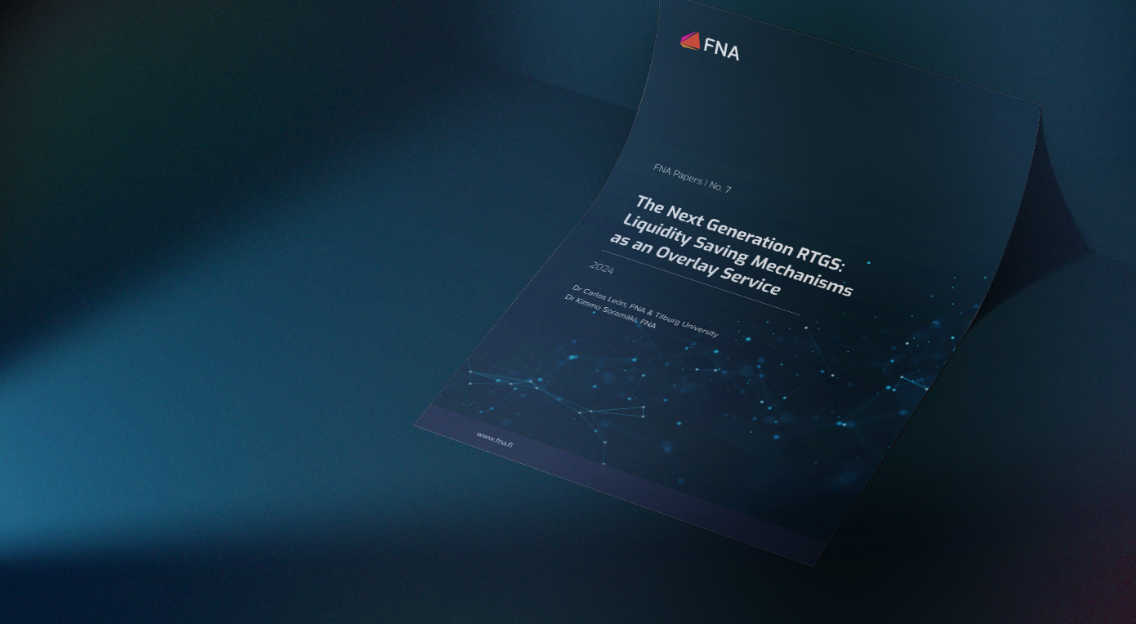
The Next Generation RTGS: Liquidity Saving Mechanisms as an Overlay Service
As legacy RTGS systems age, integrating Liquidity-Saving Mechanisms directly into core central bank ledgers limits agility and increases complexity. By extracting these mechanisms into an independent "LSM Overlay Service," financial institutions can algorithmically resequence payments to save up to 69% in liquidity while enabling faster, modular infrastructure upgrades.
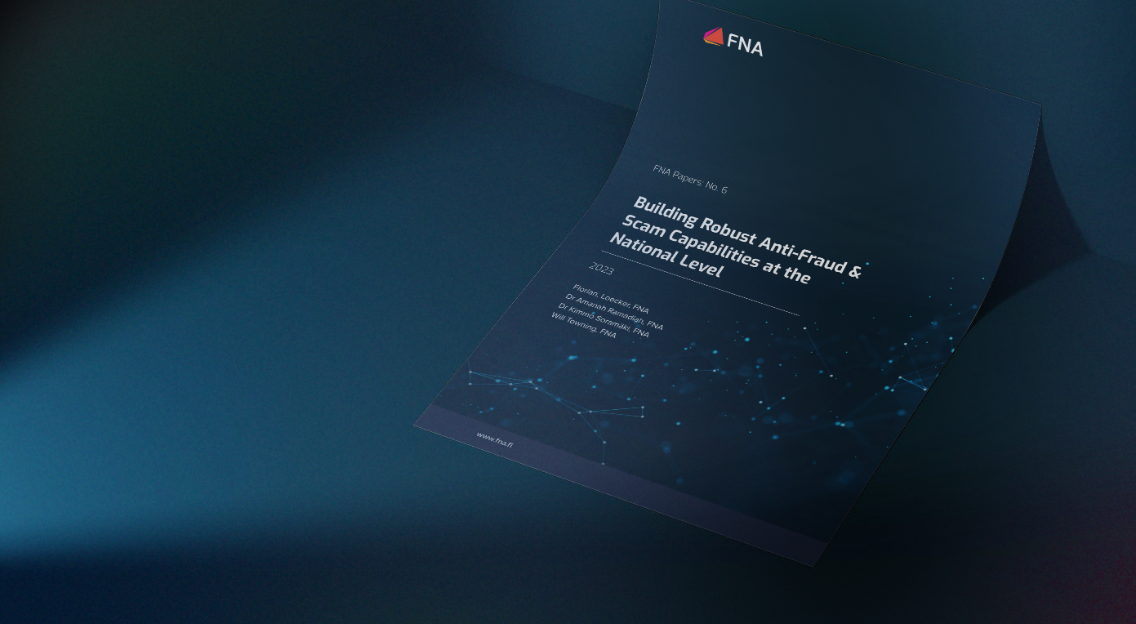
Building Robust Anti-Fraud & Scam Capabilities at the National Level
The shift to instant payments has accelerated complex, cross-bank fraud that siloed bank data cannot detect. By establishing national data-sharing hubs and deploying advanced network analytics, authorities and banks can trace illicit money trails in real time and intercept scams before funds are lost.
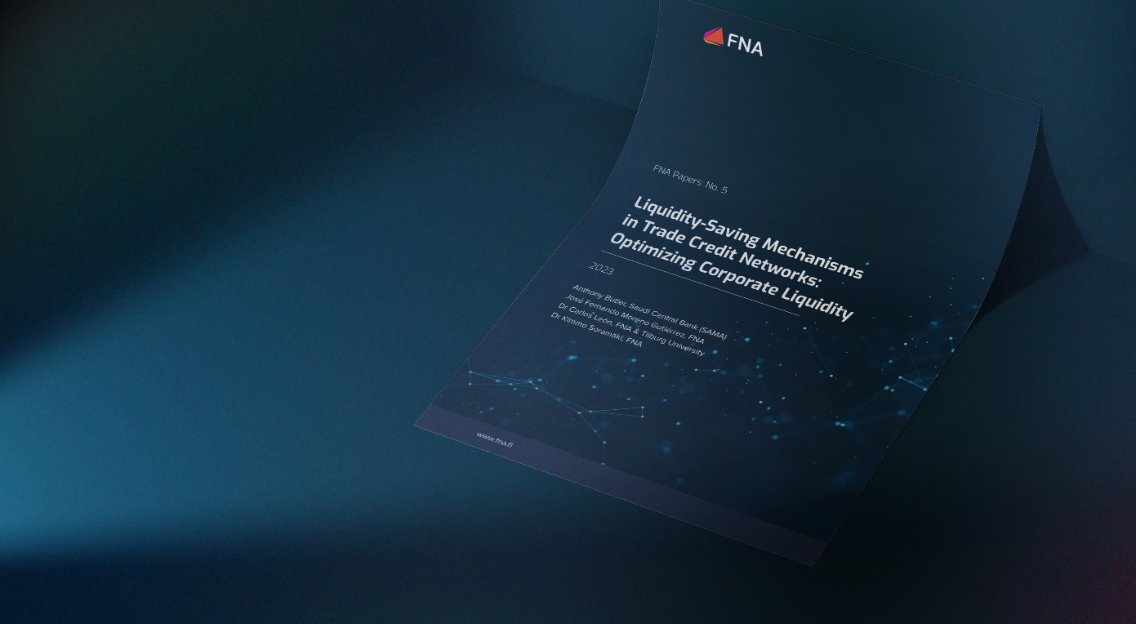
Liquidity-Saving Mechanisms in Trade Credit Networks: Optimising Corporate Liquidity
Trade credit drives corporate supply chains but exposes firms to cascading late-payment and default risks. By applying interbank Liquidity-Saving Mechanisms (LSMs) to corporate networks, a new Financial Market Infrastructure could drastically reduce liquidity requirements, clear gridlocks, and provide unprecedented visibility into supply chain health.
Molecular Settlement: Making Atomic Settlement Work in a Positive Interest Rate Environment
While "atomic settlement" promises instantaneous and simultaneous asset transfers, it creates unsustainable liquidity costs for financial institutions in a positive interest rate environment. By deploying smart algorithms to group individual trades into efficient "molecules," institutions can achieve near-instant settlement without sacrificing critical liquidity savings.
Digital Operational Resilience Act (DORA): Addressing an Old New Network Problem
The Digital Operational Resilience Act (DORA) expands European financial regulation to explicitly cover third-party ICT and cloud service providers. By mapping these critical technological interdependencies, regulators and institutions can better visualize, simulate, and mitigate the severe systemic risks posed by cloud concentration.
Modernizing Intraday Liquidity Optimization for Commercial Banks
Commercial banks are currently facing exceptionally difficult funding conditions where traditional, manual intraday liquidity management falls short. By deploying advanced, real-time payment resequencing algorithms, banks can significantly reduce liquidity usage and costs, potentially transforming treasuries into profit centers.
Financial Cartography
Traditional geographic maps are no longer sufficient to navigate the complex, borderless threats of the modern global economy. To manage these interconnected systems, "Financial Cartography" proposes mapping the hidden networks of global trade, financial markets, and critical infrastructures to visualize systemic risks and empower rapid, data-driven decision-making.The Digital Operational Resilience Act (DORA) expands European financial regulation to explicitly cover third-party ICT and cloud service providers. By mapping these critical technological interdependencies, regulators and institutions can better visualize, simulate, and mitigate the severe systemic risks posed by cloud concentration.