
All News & Insights
Browse the full archive of FNA’s news and commentary
Explore by Category: Fraud Portals. | . Liquidity Optimization ..| . Supervisory Intelligence. |. Counter Threat Finance
Explore by Type: News . | . Commentary . | . Awards . | . Broadcast Summary . | . Case Study

Rwanda consortium wins the AI-driven fraud and scams challenge at the C:>DIR Global 'Agentic Regulator' Hackathon
BNR, FNA, Proto, GLEIF, and The University of Manchester won the AI-Driven Fraud & Scams challenge at the C:>DIR 'Agentic Regulator' Hackathon.

EU payment autonomy for agentic payments: FNA’s response to the MiCA review
Our MiCA review response in brief: common rules to make euro e-money tokens usable across providers, cross-provider fraud controls, and software mandates.
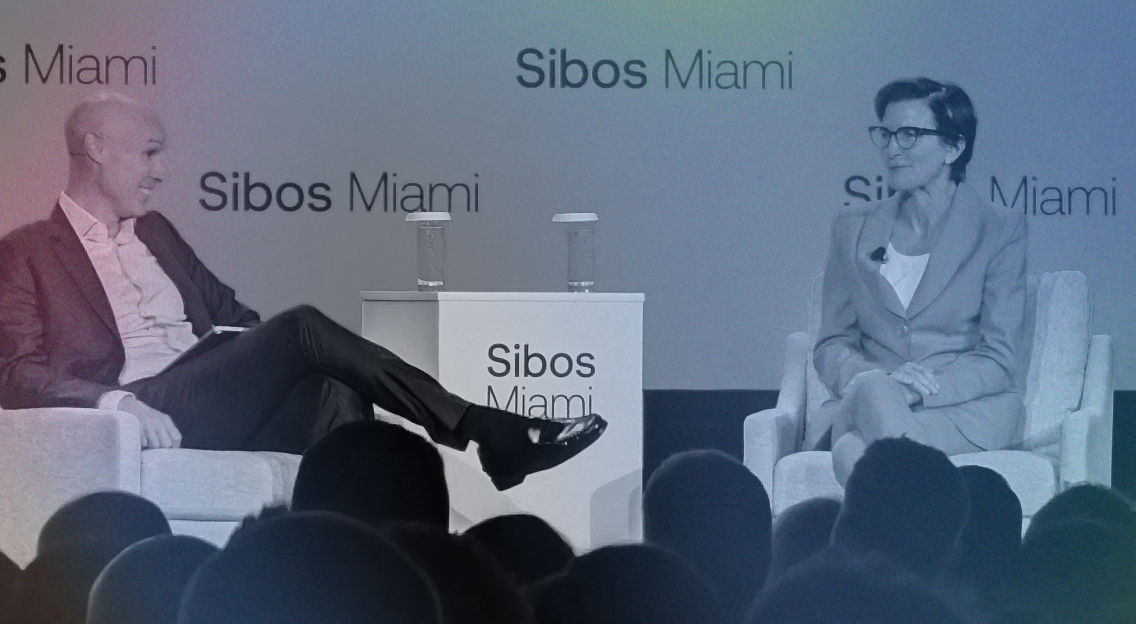
FNA’s take on five themes from the Sibos 2026 opening keynote
Our take on five themes from Jane Fraser's Sibos 2026 opening keynote: ISO 20022, AI agents, tokenisation, regulation, and new trade corridors.

Scams are a network problem - Fighting Fraud at the AFI Global Policy Forum
Financial education alone can't stop scams. Dr Amanah Ramadiah on why tracing stolen money across banks in minutes, not days, is where losses actually fall.

What the Silk Road teaches us about trust in agentic payments
Identity, escrow, recourse, and reputation are the oldest instruments in commerce. We do not have to invent trust for the agentic economy — we have to re-issue it

What is Intelligent Liquidity Optimization (ILO)?
Release trapped intraday capital with FNA's Intelligent Liquidity Optimization platform. Real-time monitoring, AI-driven resequencing, and digital-twin simulation for banks on every rail

What is a National Anti-Scam Utility
Discover how a National Anti-Scam Utility (NASU) leverages real-time fund tracing and financial network analytics to disrupt APP fraud. Learn why the NASU model is the new global standard for national fraud portals

A Letter From… South Africa: Fraud collaboration and moving beyond isolated efforts
FNA's Adam Csabay reflects on South Africa's cross-sector fraud intelligence movement and why collaboration is now the frontline of financial crime prevention
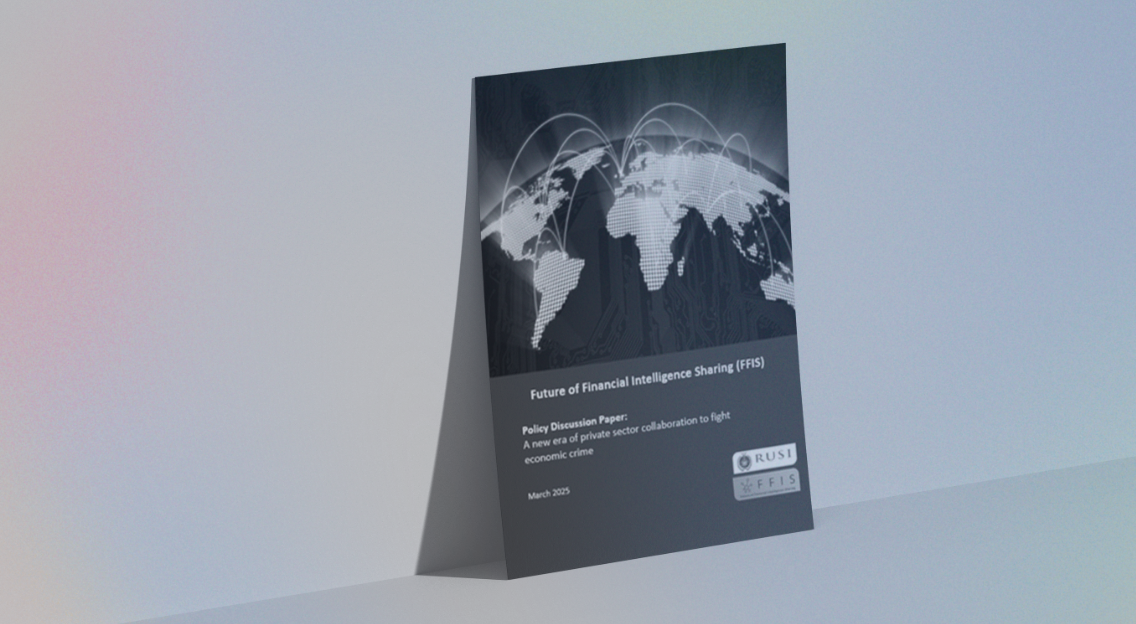
FFIS Report: FNA contributes to new paper ‘A survey of collaborative analytics platforms to tackle fraud’.
FNA sponsors FFIS research surveying 37 global anti-fraud platforms. Explore collaborative analytics, fraud intelligence sharing, and cross-border cooperation frameworks.

The first users of agentic payments will be simulated agents
On the back of a Point Zero roundtable discussion, Kimmo Soramäki explains why the first users of agentic payments will be simulated agents—and how AI-driven digital twins are transforming intraday liquidity management in RTGS systems.

AI is only as good as its data: How live data context transforms treasury workflows
AI assistants in commercial bank treasury functions often provide inaccurate insights because they rely on fragmented, outdated end-of-day reports rather than real-time data. FNA’s Intelligent Liquidity Optimization (ILO) Model Context Protocol securely connects AI models directly to live, intraday liquidity data without requiring massive core system overhauls.

What is Suptech?
What is Suptech? Explore how Supervisory Technology uses financial network analytics, AI, and Digital Twin simulations to empower central banks with real-time risk monitoring and systemic stability tools.
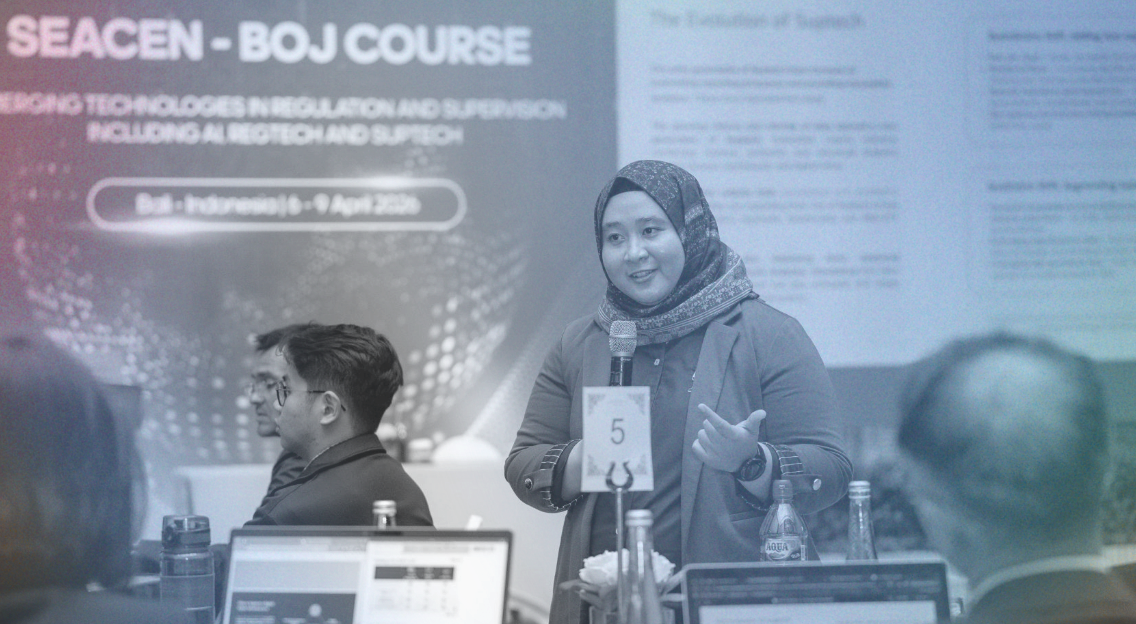
A Letter From… Bali
Read Amanah's letter from Bali on the SEACEN Centre training course. Discover why Suptech must evolve into Digital Public Infrastructure (DPI) to regulate real-time payment systems effectively.
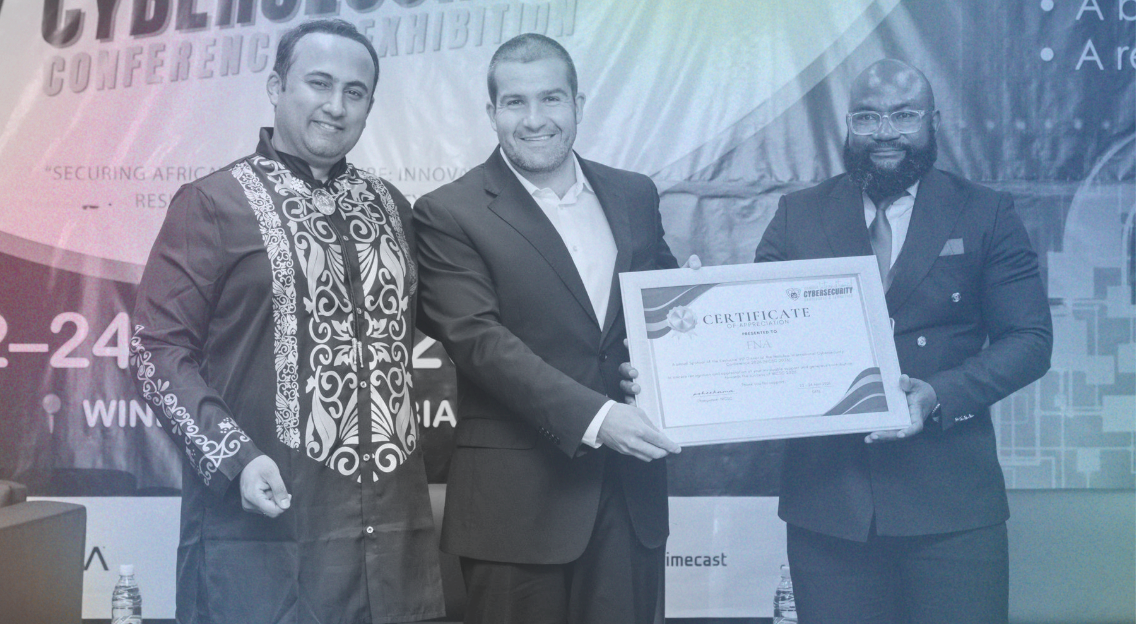
A Letter from…Namibia
How is Namibia is pioneering national anti-scam infrastructure. FNA's Adam Csabay discusses the need for real-time network analytics and shared fraud portals at NICSC.

Rethinking CCP Exposure in Times of Intraday Stress
Compliance is a baseline, but true resilience requires treating CCP clearing as a dynamic funding pillar rather than static plumbing. This article explores why unifying margin logic with intraday liquidity models is the only way to bridge the structural gaps that market stress inevitably exposes.

Fraud and Scams - Go After the Money
While traditional law enforcement focuses on prosecuting criminals, victims of APP fraud prioritize one thing: getting their money back. This article argues that saving those funds requires a fundamental shift toward real-time, cross-institutional infrastructure that operates at the speed of the payment itself.

Summary Payment Systems Broadcast #28: Operationalizing the EU’s Article 75
The implementation of the EU’s Article 75 mandates a crucial shift from siloed reporting to real-time, cross-border information sharing, enabling financial institutions to intercept scams at the speed of modern payment networks. By overcoming governance hurdles and adopting collaborative network intelligence, the industry can proactively expose mule accounts, dramatically increase fund recovery rates, and dismantle the economic viability of financial crime.

A Letter From…Vienna
Reflecting on a recent summit in Vienna, FNA's Adam Csabay emphasizes the industry's critical shift from siloed fraud prevention to a collaborative, systemic approach against organized financial crime. The dispatch highlights the practical deployment of AI and the urgent need to secure fast payment infrastructures through cross-sector intelligence sharing.

Balancing Speed and Security: Reconciling AML, Sanctions, and Real-Time Payments
At the Inclusive Fintech Forum in Rwanda, FNA's Kimmo Soramäki highlighted the critical challenge of securing booming real-time payment networks against escalating financial crime without sacrificing speed or financial inclusion. The panel emphasized that overcoming the limitations of siloed compliance requires a shift toward coordinated, network-wide intelligence and collaborative national anti-scam infrastructures.

Event Highlight: 29th Regional Meeting of the Financial Stability Group
At the 29th Regional Meeting of the Financial Stability Group, FNA advocated for redefining Supervisory Technology (Suptech) from a mere support tool to an essential Digital Public Infrastructure (DPI). By adopting infrastructure-grade standards and leveraging AI-driven analytics, financial authorities can better anticipate disruptions, guide innovation, and proactively safeguard systemic stability.